14 Sep Proposed Form 990 Revisions Could Bring Greater Scrutiny to Nonprofits
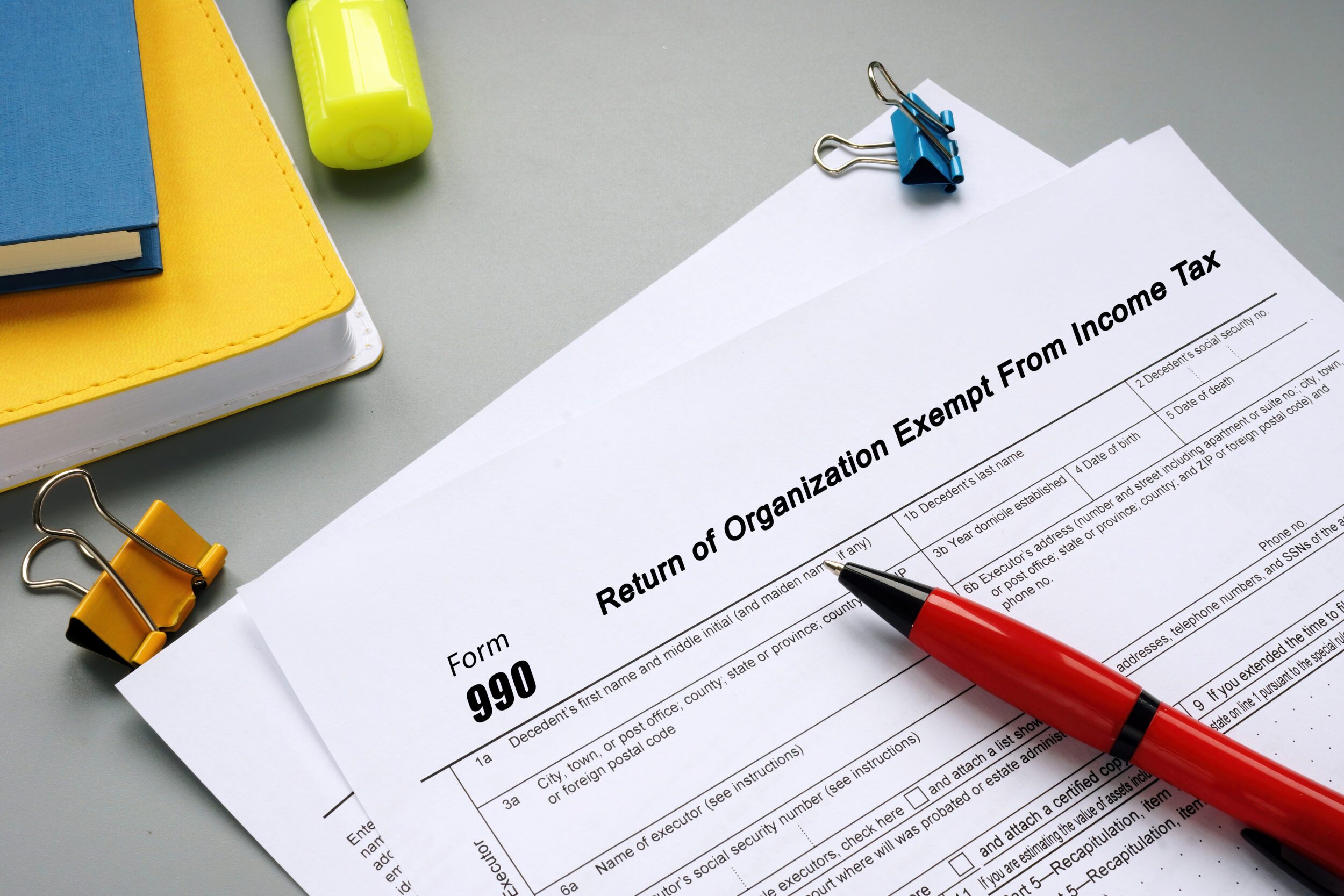
For nonprofit organizations, Form 990 has long served as more than an annual tax filing. It provides regulators, donors, grantors, board members, and the public with insight into an organization’s finances, governance, programs, and operations.
Now, proposed changes could make that reporting even more detailed.
The U.S. Department of the Treasury announced a new Form 990 transparency initiative in April 2026 aimed at increasing oversight of the nonprofit sector. The initiative is expected to focus on additional disclosures surrounding government funding and fiscal sponsorship arrangements, with the goal of making it easier for regulators to identify potential fraud, misuse of funds, self-dealing, and other improper activity.
Although formal proposed regulations have not yet been finalized, nonprofit leaders should understand where enhanced reporting may be headed and consider whether their current documentation and oversight processes are prepared for greater transparency.
Government Funding Could Receive More Attention
One area the Department of the Treasury has identified for potential expanded reporting is government contracts and grants.
Under the proposed initiative, nonprofits may eventually be required to provide more detailed information about where public funding comes from and how those dollars are being used.
For organizations that receive significant government funding, this could make accurate grant accounting and documentation even more important.
Nonprofit leaders should consider questions such as:
- Can we clearly trace government funding from receipt through expenditure?
- Are restricted funds consistently tracked and used in accordance with award requirements?
- Do our records clearly support how grant-funded expenses were allocated?
- Are finance and program teams aligned on reporting responsibilities?
- Would our documentation withstand increased regulatory or public scrutiny?
Even when an organization is fully compliant, incomplete or inconsistent records can create unnecessary questions. Strong documentation helps demonstrate that public funds are being managed appropriately and in accordance with their intended purpose.
Fiscal Sponsorship Arrangements May Require Greater Transparency
Fiscal sponsorship is another area expected to receive additional attention.
These arrangements allow one nonprofit organization to provide administrative and financial oversight for a charitable project that may not have its own tax-exempt status. While fiscal sponsorship can provide significant benefits, the relationship between the sponsoring organization and sponsored project must be structured and managed appropriately.
Potential Form 990 revisions could require organizations to identify sponsored projects more clearly and provide additional information about who controls the funds and how those funds are used.
Organizations involved in fiscal sponsorship arrangements should consider whether they can clearly demonstrate:
- The purpose and structure of each fiscal sponsorship arrangement.
- Who maintains control and discretion over charitable funds.
- How funds are received, approved, spent, and monitored.
- Whether responsibilities are clearly defined in written agreements.
- Whether financial activity is properly reflected in the organization’s books and records.
The greater the transparency surrounding these arrangements, the more important it becomes for nonprofits to ensure that their practices match what is documented on paper.
Your Form 990 Tells a Story About Your Organization
For many nonprofits, preparing Form 990 can feel like an annual compliance exercise. But the information reported on the return can tell a much broader story about the organization.
That story may be reviewed by regulators, funding organizations, potential donors, journalists, board members, and members of the public.
As reporting expectations increase, organizations should think about Form 990 as part of their overall governance and accountability process rather than something handled only by the finance team once a year.
Before filing, leadership and the board should have a clear understanding of significant financial relationships, funding arrangements, related-party transactions, governance practices, and other information being reported.
Consistency matters as well. Information reported on Form 990 should align with the organization’s financial records, governing documents, grant documentation, and actual operating practices.
Strong Governance Will Become Even More Important
Treasury’s announcement also reinforces the importance of board and leadership oversight.
Greater transparency can place more attention on how nonprofit organizations make decisions, manage funds, oversee relationships, and document their activities. Directors and officers should understand their responsibility for protecting charitable assets and ensuring the organization operates in furtherance of its exempt purpose.
Now may be a good time for boards and leadership teams to revisit questions such as:
- Are our conflict-of-interest and related-party policies current?
- Are significant financial arrangements appropriately reviewed and approved?
- Does the board receive enough financial information to provide meaningful oversight?
- Are important decisions adequately documented in meeting minutes?
- Do our written policies reflect how the organization actually operates?
- Are there any arrangements that may be difficult to explain clearly if additional disclosure is required?
Strong governance is not simply about having policies in place. Organizations need to be able to demonstrate that those policies are consistently followed.
What Should Nonprofits Do Now?
The anticipated Form 990 changes are still developing, so organizations should avoid making significant changes based on requirements that have not yet been finalized.
However, nonprofits do not need to wait for new regulations to evaluate whether their current processes support accurate and transparent reporting.
This is a good opportunity to review government grants and contracts, fiscal sponsorship arrangements, related-party relationships, donor and grant documentation, governance policies, and the internal controls surrounding the receipt and use of funds.
Organizations should also consider who is responsible for reviewing new Treasury and IRS guidance as it becomes available. Finance, leadership, legal counsel, and the board may all need to be involved depending on the scope of any final changes.
Transparency Starts With Strong Financial Processes
Regardless of what the final Form 990 revisions ultimately require, the direction of the initiative reinforces a broader trend toward greater transparency and accountability within the nonprofit sector.
Organizations with clear documentation, strong internal controls, informed boards, and well-defined financial processes will be better positioned to respond if additional reporting requirements are introduced.
Taking time now to evaluate those areas can also uncover opportunities to strengthen the organization well beyond Form 990 compliance.
How Blackman & Sloop Can Help
Form 990 reporting involves more than completing an annual return. It is closely connected to an organization’s financial reporting, governance, internal controls, grant compliance, and overall accountability.
Blackman & Sloop’s nonprofit specialists work with organizations of all sizes to help navigate tax and reporting requirements, strengthen financial processes, and address complex compliance matters.
If your organization receives government funding, participates in fiscal sponsorship arrangements, or wants to evaluate whether its current reporting and documentation practices are prepared for increased scrutiny, our team can help you assess your processes and prepare for potential changes ahead.